Tendon-Friendly Strength Training for Joint Longevity
Learn how tendon-friendly strength training supports joint longevity, reduces overload risk, and helps adults stay active with healthier knees, hips, and shoulders.
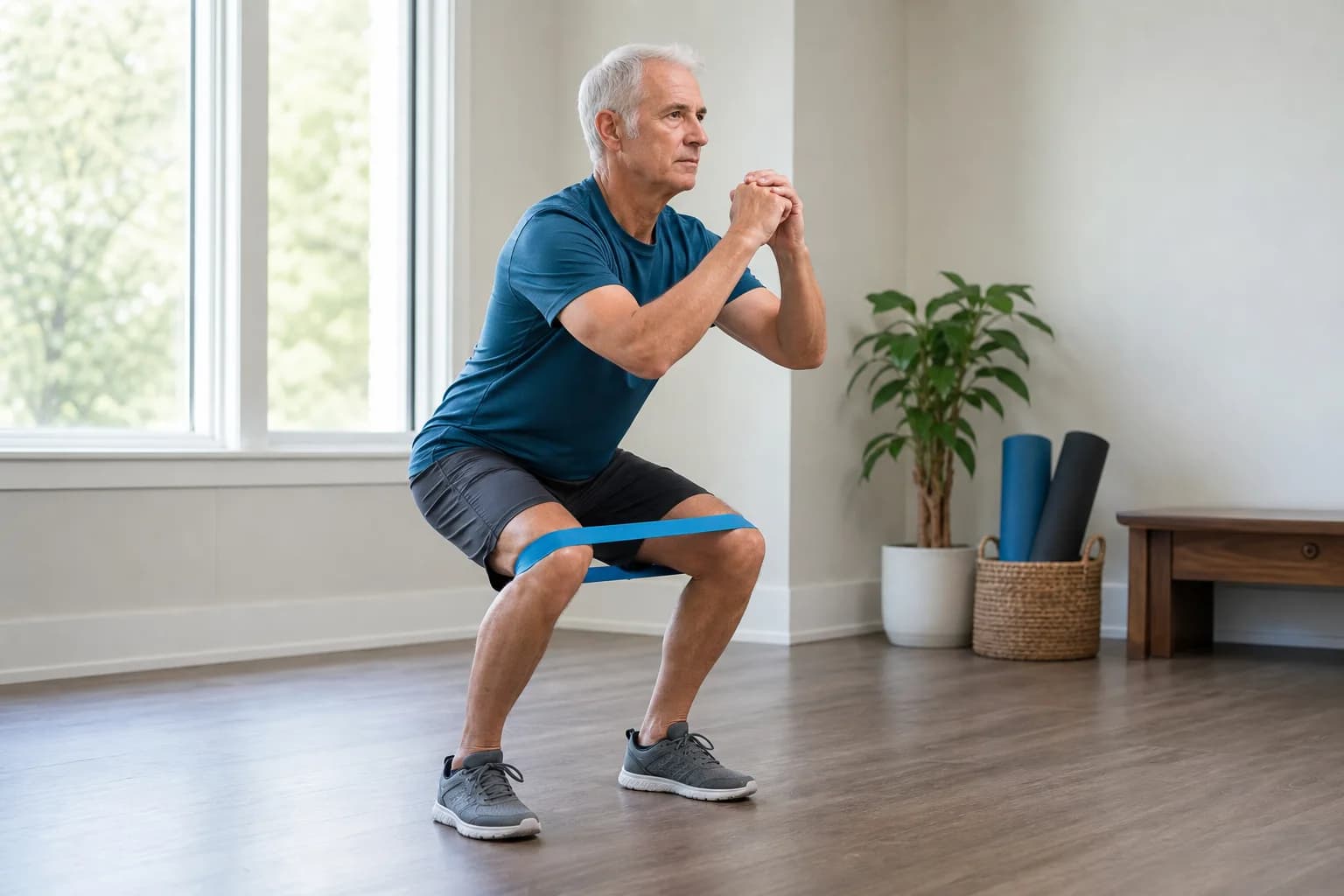
Tendon-Friendly Strength Training for Joint Longevity
When people think about joint health, they often picture cartilage, stretching, or trying to avoid wear and tear. Those things matter, but there is another key player that deserves more attention: your tendons. Tendons connect muscle to bone and help transmit force every time you climb stairs, lift groceries, get out of a chair, swing a golf club, or go for a brisk walk.
As we age, tendons can become less tolerant of sudden spikes in activity. That does not mean they are fragile. It means they respond best to smart, consistent loading. In physical therapy, one of the most useful strategies for long-term joint health is building strength in a way that your tendons can actually adapt to.
Why tendons matter for joint longevity
A healthy joint is not just a smooth joint surface. It is a whole system: muscles, tendons, ligaments, bones, nerves, and your brain all working together. Tendons act like strong cables. When they are conditioned, they help absorb and transfer force efficiently. When they are underprepared, routine movements may feel achy, stiff, or reactive.
This is one reason someone can feel fine during a quiet week, then develop knee, Achilles, hip, or shoulder pain after suddenly adding hills, pickleball, yardwork, or a new workout class. The issue is often not that the activity is bad. The body simply was not given enough time to build capacity for the new demand.
The goal is capacity, not perfection
Joint-friendly strengthening is not about moving perfectly forever. It is about increasing your margin of safety. If your body is used to only low-level daily activity, a weekend project can feel like too much. If you regularly train your muscles and tendons with progressive resistance, the same weekend project becomes less stressful.
For most adults, two to three strength sessions per week can make a meaningful difference. The best program is not necessarily complicated. It should include controlled movements for the major regions of the body: hips, knees, calves, shoulders, upper back, and trunk.
A tendon-friendly approach to strength
Here are a few principles I use often with patients who want stronger joints without flaring up pain.
1. Start with slower tempos
Fast movements are not wrong, but slower reps are easier to control and often better tolerated early on. Try a three-second lowering phase during squats, step-downs, calf raises, rows, or presses. That slower tempo gives the tendon and muscle more time under tension without needing heavy weight right away.
2. Use moderate effort, not maximum effort
You do not need to grind every set. A practical target is finishing most sets with two to three good reps left in the tank. You should feel challenged, but your form should not fall apart. This builds strength while keeping recovery manageable.
3. Progress one variable at a time
If you increase weight, keep the number of sets and reps steady. If you add a new exercise, avoid adding extra volume everywhere else that same week. Tendons often dislike sudden jumps more than they dislike hard work. A 5-10% weekly progression is a reasonable guideline for many people, though the right amount depends on your history and symptoms.
4. Respect the 24-hour response
Some muscle soreness is normal after training. Tendon or joint pain that ramps up later that day or feels noticeably worse the next morning is useful feedback. It does not always mean you injured yourself, but it may mean the dose was too high. Adjust by reducing range, load, speed, or total sets for the next session.
5. Train the positions you need in life
For knee and hip longevity, practice sit-to-stands, squats to a box, step-ups, hinges, and calf raises. For shoulder longevity, include rows, wall slides, light carries, and controlled pressing when tolerated. For ankle and foot resilience, do calf work with both bent and straight knees. The goal is to prepare your body for the movements you actually want to keep doing.
A simple starter routine
Try this two times per week if you are currently active but not strength training consistently:
- Box squat or sit-to-stand: 2-3 sets of 8-10 slow reps
- Step-up: 2 sets of 6-8 reps each side
- Calf raise: 2-3 sets of 10-15 reps
- Hip hinge or bridge: 2-3 sets of 8-12 reps
- Resistance band row: 2-3 sets of 10-15 reps
- Farmer carry or suitcase carry: 3 short walks each side
Keep the first week easier than you think you need. If your joints feel good the next day, gradually build from there.
When to get guidance
If pain is sharp, worsening, associated with swelling, or keeps returning every time you try to exercise, it is worth getting assessed. A physical therapist can help identify whether the issue is load management, mobility, strength deficits, movement strategy, or something that needs medical follow-up.
The big picture is encouraging: joints and tendons are adaptable. With the right dose of progressive strength training, many adults can reduce flare-ups, feel more confident, and keep doing the activities that make life enjoyable. If you want help building a plan that fits your body and your goals, you can book a visit at physicaltherapy365.com.
References
- Physical Activity Guidelines for Americans, 2nd edition. U.S. Department of Health and Human Services.
- Bohm S, Mersmann F, Arampatzis A. Human tendon adaptation in response to mechanical loading. PubMed-indexed rehabilitation literature.
- Fragala MS, Cadore EL, Dorgo S, et al. Resistance training for older adults: position statement and evidence-informed recommendations. PubMed.
Clinical References
Related Headlines
Continue With PT365
Browse direct answers to common patient questions, learn how mobile outpatient physical therapy works, or request an appointment.